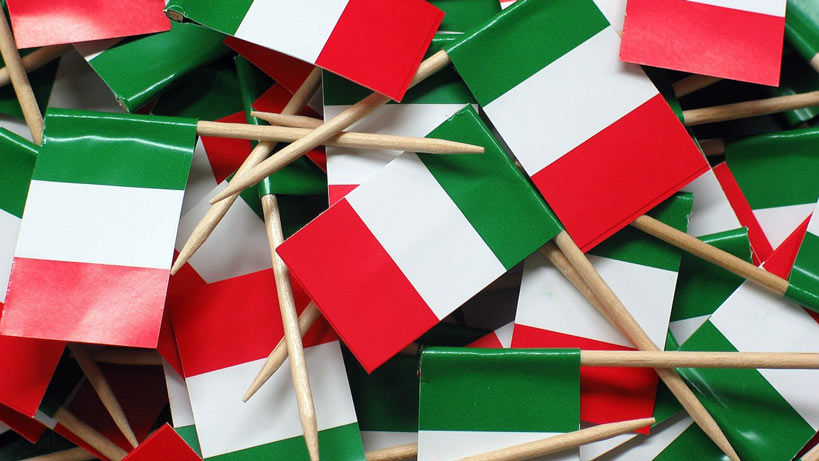
I-Spy Shapes
This is a fun activity that helps children recognize different shapes and understand shape words
53 maths activities for Years 1–6. Search, or narrow down by year, topic or type.
53 shown
This is a fun activity that helps children recognize different shapes and understand shape words
This is a different way to play the 'Would You Rather…' game
This is a simple card game that helps with understanding '7'
Here a number puzzle that can be made as easy or as difficult as you wish.
This is a fun activity that helps with counting and number recognition
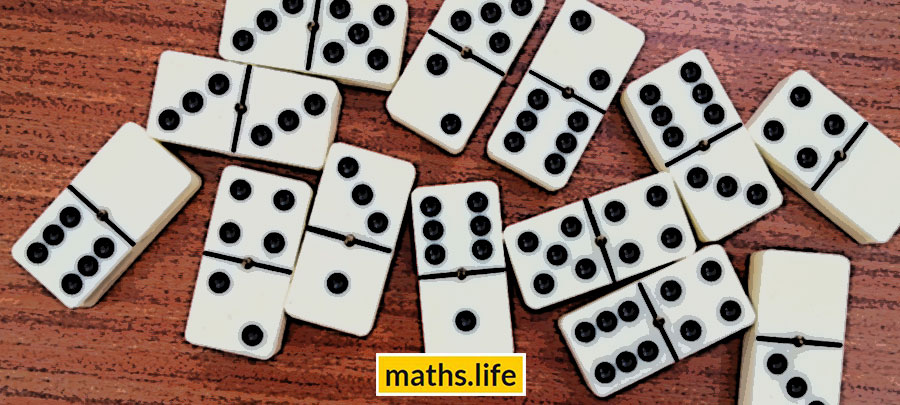
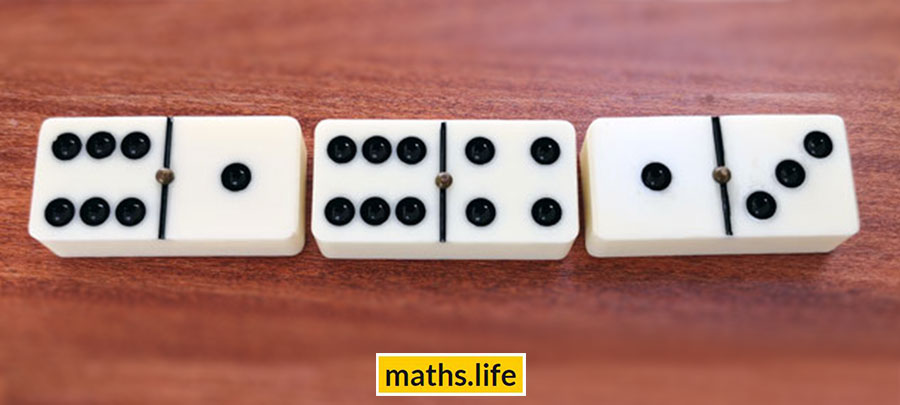
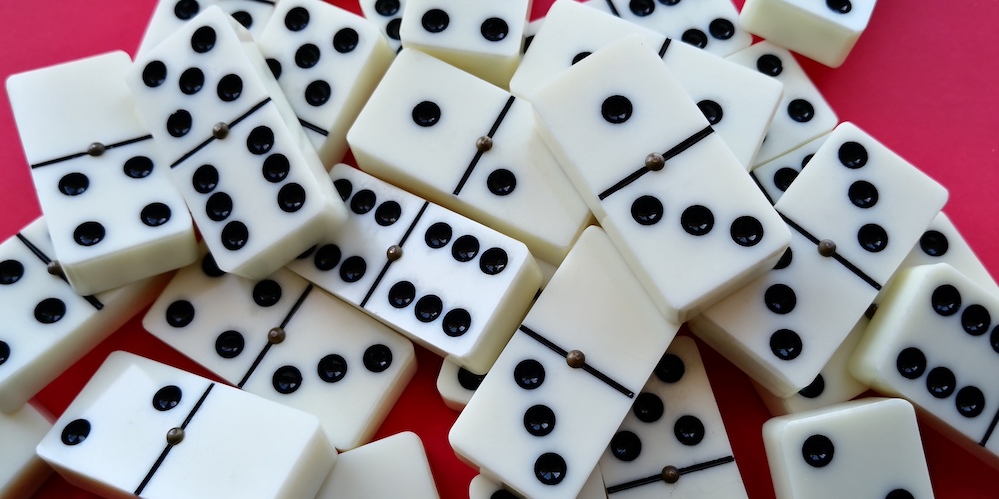
Add up the dots on each domino in a line, write the totals down, then rebuild the line from the sums alone.
Five number puzzles, each with a set of clues to a mystery number.
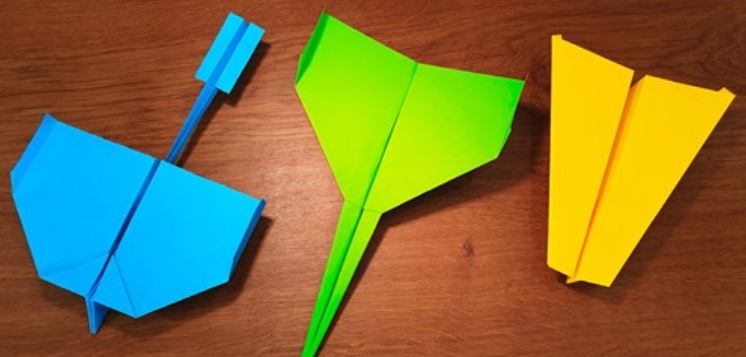
This is a fun activity involving making and flying paper aeroplanes
This quick activity helps children think about the order of numbers 1 to 10.
Read a line of dominoes as numbers, write them down, then mix them up and put them back in order.
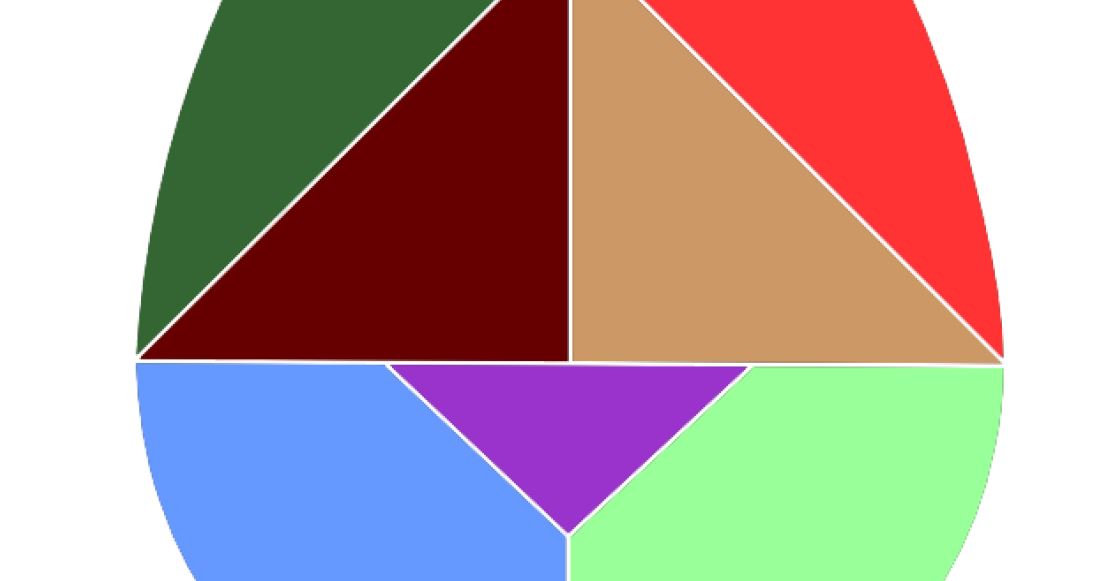
Use a ruler and compasses to draw and cut out an egg-shaped tangram, then arrange the pieces into birds.
This activity is designed to get children thinking permutations, how many different ways things can be arranged.
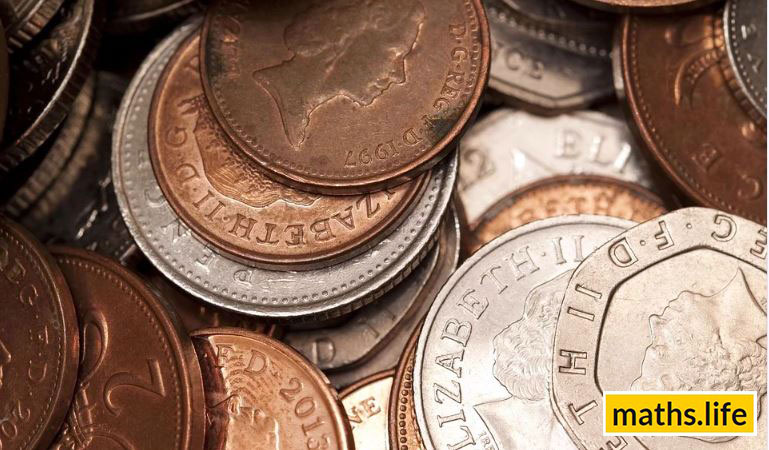
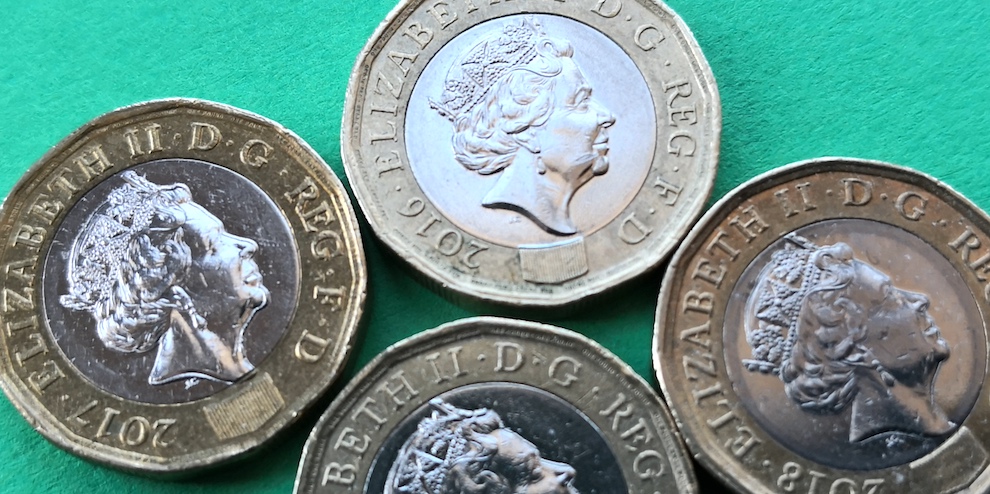
How many different coins do we use in Britain? Count, add and find the fewest coins needed to make an amount.
This game could have been called “250 or Bust!” because 250 is the target.
Share 12 everyday items into groups to find a half and a quarter, and see why some fractions will not work.
This is an easy change you can make to most board games to include a little more addition.
A spotting game for walks and car journeys: score points for each number you spot, depending on its multiples.
This is a very useful way to explore how calculations are affected by the order of operations.
Give your child one number fact and they hand you four related facts back, counting them off on their fingers.
The answer is 10, but what was the question? Children invent as many calculations as they can that make 10.
This is an entertaining way to practice times tables facts
This is a fun way to help children focus on the nature of fractions
Sudoku builds logic and reasoning. Tips for choosing the right level of challenge, plus links to free puzzles.
Lay dominoes in a zig-zag line so that the dots add up to 10, then keep the pattern going.
With £1 to spend, find one item, then two items, that cost less than a pound and work out the change.
Use a tape measure as a number line to count on, count back, and answer "one more" and "two less" questions.
Plan a pocket-money budget across a few categories and work out how long it would take to save up for something.
A dice game based on Shut the Box: roll two dice and remove counters worth the total. First to empty their board wins.
Out shopping with just £1 to spend? Find three things that together cost less than £1, then work out the change.
A quick napkin activity for a café or waiting room: pick three numbers from 1 to 9 that add to 12, then find more ways.
A quick adding game for two: turn over two dominoes each, add up the dots and shout the total to score points.
A road-sign game for long car journeys: use the miles left to your destination and the milometer to work out where you will be.
This activity involves reading weight information on food packets and tins.
A fast two-player game where each player multiplies the two ends of a domino and the higher product wins.
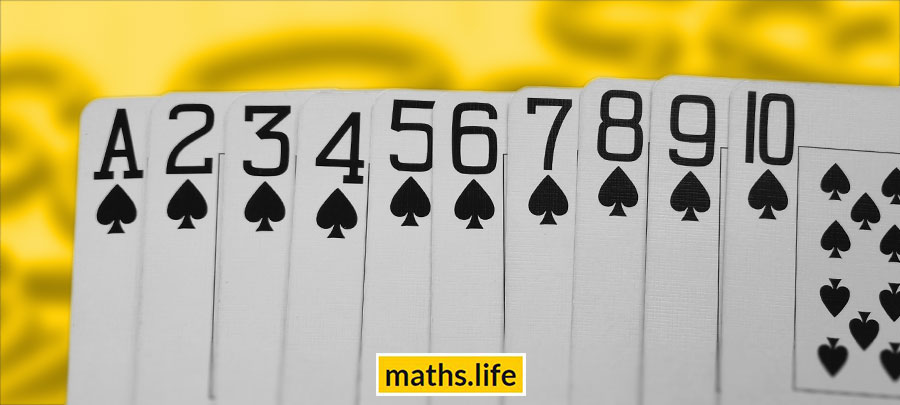
This simple card game can be used to help with ordering numbers.
Start with 999 on a calculator and use the digits 1 to 9 once each to bring the total down as close to 1 as you can.
Draw some lines, estimate their lengths, then measure with a ruler and see how close the estimates were.
Roll a dice to fill in a 3-digit by 1-digit multiplication, and try to make the biggest product to win a point.
Multiply the smallest and largest of three consecutive numbers, then square the middle one. What do you notice, and why?
A quick card game for bonds to 10: flip a card, then race to call out the number you need to add to make 10.
Count from 1 to 12 slowly, then take turns saying alternate numbers, whispering and shouting along the way.
This game could have been called “250 or Bust!” because 250 is the target.
This is an interesting number game that focuses on division
In the shop, find something under £5 and work out the cost of three of them in your head, then check.
Roll a dice six times to make two 3-digit numbers, then try to get their total as close to 999 as possible.
Number riddles where every clue narrows down the mystery number, so no guessing is allowed.
A card game for two or more players: turn over two cards, multiply them, and the higher product wins the cards.
Pick a long word and count its letters, then give vowels and consonants different prices to find the cost of the word.
A two-player dice game: pick four numbers from 2 to 12, then roll two dice and add them to cross your numbers off first.
Think of a secret number from 0 to 12 and guess it by asking yes-or-no questions, then swap roles.
This is an easy activity to do while out walking
On a walk, spot the odd and even house numbers, look for patterns and guess which number comes next door.
Pick two facing pages in any book and add the page numbers. Can your child work out which pages you chose?
Nothing matches yet. Try fewer filters, or suggest an activity.