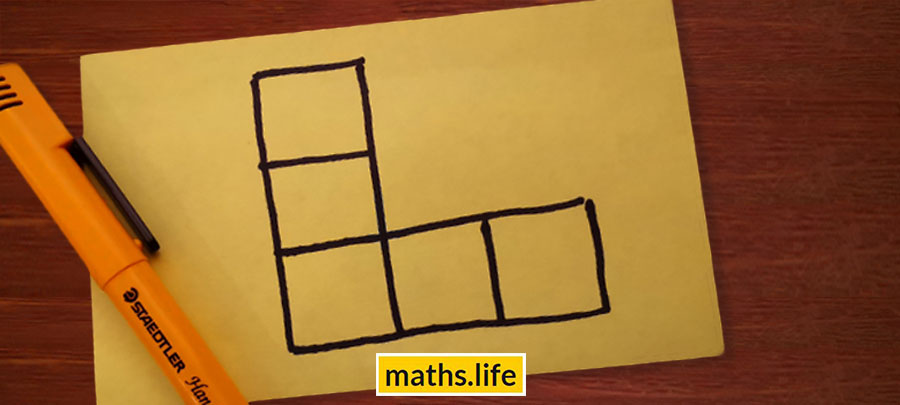
The 'L' Number Puzzle
Here a number puzzle that can be made as easy or as difficult as you wish.
Quick activities
Quick maths activities you can do with your children using very few resources. Those few minutes waiting for food or drink can become a perfect maths moment!
Here a number puzzle that can be made as easy or as difficult as you wish.
The answer is 10, but what was the question? Children invent as many calculations as they can that make 10.
A quick napkin activity for a café or waiting room: pick three numbers from 1 to 9 that add to 12, then find more ways.
Number riddles where every clue narrows down the mystery number, so no guessing is allowed.
A two-player dice game: pick four numbers from 2 to 12, then roll two dice and add them to cross your numbers off first.
Think of a secret number from 0 to 12 and guess it by asking yes-or-no questions, then swap roles.
Five number puzzles, each with a set of clues to a mystery number.
This is an entertaining way to practice times tables facts
This is an interesting number game that focuses on division
Pick a long word and count its letters, then give vowels and consonants different prices to find the cost of the word.
This is a very useful way to explore how calculations are affected by the order of operations.
Plan a pocket-money budget across a few categories and work out how long it would take to save up for something.
Start with 999 on a calculator and use the digits 1 to 9 once each to bring the total down as close to 1 as you can.
Multiply the smallest and largest of three consecutive numbers, then square the middle one. What do you notice, and why?
This game could have been called “250 or Bust!” because 250 is the target.